+918048093039

ASHTANGAYURVEDANDPANCHKARMACLINIC9 Treatments
Preview

This is your website preview.

Currently it only shows your basic business info. Start adding relevant business details such as description, images and products or services to gain your customers attention by using Boost 360 android app / iOS App / web portal.

919209442293

Treatments

We focus on continuous quality improvement to provide patients a safe environment to recieve highest quality care

Treatments

Ayurveda views health and disease through the lens of the three doshas—Vata, Pitta, and Kapha—along with the concepts of agni (digestive fire), ama (toxins), and the balance of the dhatus (tissues). Lung disorders in Ayurveda are often attributed to imbalances in these fundamental principles. Here are some common causes of lung disorders as per Ayurveda: 1. Imbalance of Doshas: Vata Imbalance: Excess of Vata leads to conditions like dry cough, bronchitis, and asthma. Kapha Imbalance: Results in excessive mucus production, leading to conditions like congestion, colds, and respiratory infections. 2. Ama (Toxins) Accumulation: Poor digestion and metabolism can lead to the formation of ama, which are undigested and toxic substances. Ama can block the respiratory channels and impair lung function. Dietary choices that weaken digestion, such as overeating or consuming incompatible foods, may contribute to the accumulation of ama. 4. Environmental And Seasonal Factors: Exposure to extreme weather conditions, pollution, and allergens can disturb the dosha balance and contribute to respiratory issues. Ayurveda emphasizes the importance of adapting lifestyle choices to harmonize with the surrounding environment as per seasons. Changes in weather, especially transitions between seasons, can impact respiratory health, and individuals may need to adapt their routines accordingly. 5. Lifestyle Choices: Unhealthy lifestyle habits, such as smoking, excessive alcohol consumption, and lack of exercise, are considered detrimental to respiratory health in Ayurveda. These habits can contribute to the accumulation of toxins and imbalance in the doshas. Ayurvedic approaches to addressing lung disorders typically involve restoring dosh imbalance, eliminating ama, and supporting overall well-being through dietary and lifestyle modifications, ayurvedic medicines and therapeutic practices such as pranayama and yoga.

In Ayurveda, the causes of liver disorders are often attributed to imbalances in the doshas (Vata, Pitta, and Kapha), impaired digestion, and the accumulation of toxins (ama). The liver is considered a Pitta and Rakta dominant organ, and disturbances in the Pitta dosha and Rakta Dhatu are particularly associated with liver issues. Here are some common causes of liver disorders as per Ayurveda: 1. Excessive Pitta Dosha: Excessive consumption of hot, spicy, and pungent foods can aggravate Pitta dosha and lead to imbalances in the liver. Alcohol and Caffeine are considered heating and may contribute to Pitta aggravation, potentially impacting liver health. 2. Impaired Digestion (Agni): Weak Digestive Fire (Mandagni): When the digestive fire is weak, digestion and metabolism become inefficient, leading to the accumulation of undigested food particles and toxins. This, in turn, can affect the liver.Consuming incompatible food combinations(VIRUDHA AHAR) such as mixing dairy with sour fruits etc can result in the formation of ama (undigested toxins) that may affect the liver. 3. Toxic Overload (Ama): The presence of ama in the body, due to poor digestion and lifestyle habits, is considered a significant factor in liver disorders. Ama can clog the liver and impair its function. 4.Unhealthy Lifestyle Habits: Diets with regular intake of processed, fried, and fatty foods are considered detrimental to liver health in Ayurveda. 5. Seasonal Changes: Ayurveda recognizes the impact of seasonal changes on health. Transitions between seasons, especially from winter to spring, are considered vulnerable times for the liver. Ayurvedic treatment for liver disorders typically involves addressing the underlying doshic imbalances, promoting proper digestion, eliminating toxins, and supporting overall liver health. Lifestyle modifications, dietary changes, ayurvedic medicines, and detoxification therapies may be part of the treatment plan.

Kidney disorders in Ayurveda are understood through the lens of doshic imbalances (Vata, Pitta, Kapha), impaired digestion (agni), and the accumulation of toxins (ama). S everal factors contribute to kidney disorders in Ayurveda: 1. Imbalance of Doshas: Vata Imbalance: Excessive Vata in the kidneys can lead to dryness, irregular blood flow, and impaired functioning. Pitta Imbalance: Pitta governs metabolism and digestion. An excess of Pitta in the kidneys may result from a diet high in spicy and acidic foods, alcohol consumption, and emotional stress. Kapha Imbalance: Excessive Kapha in the kidneys can lead to fluid retention, congestion, and impaired filtration. Sedentary lifestyle, excessive consumption of heavy and cold foods, and lack of exercise are factors that may contribute to Kapha imbalance. 2. Impaired Digestion (Agni): Poor digestion can lead to the accumulation of undigested substances (ama), which can travel to the kidneys and interfere with their function. Consuming incompatible food combinations(VIRUDHA AHAR), such as mixing dairy with sour fruits, can result in the formation of ama. Ama, or undigested toxins, can accumulate in various parts of the body, including the kidneys. 3. Unhealthy Lifestyle Habits: Poor Dietary Choices: Diets high in processed, fried, and fatty foods can contribute to doshic imbalances and ama formation. Lack of Physical Exercise: A sedentary lifestyle can impair circulation, digestion, and overall health, affecting kidney function. 4. Environmental Factors: Exposure to Toxins: Environmental pollutants and toxins can contribute to the accumulation of harmful substances in the body, impacting kidney health. Understanding these imbalances and factors contributing to kidney disorders is crucial for developing an effective Ayurvedic treatment plan.

INR 1500

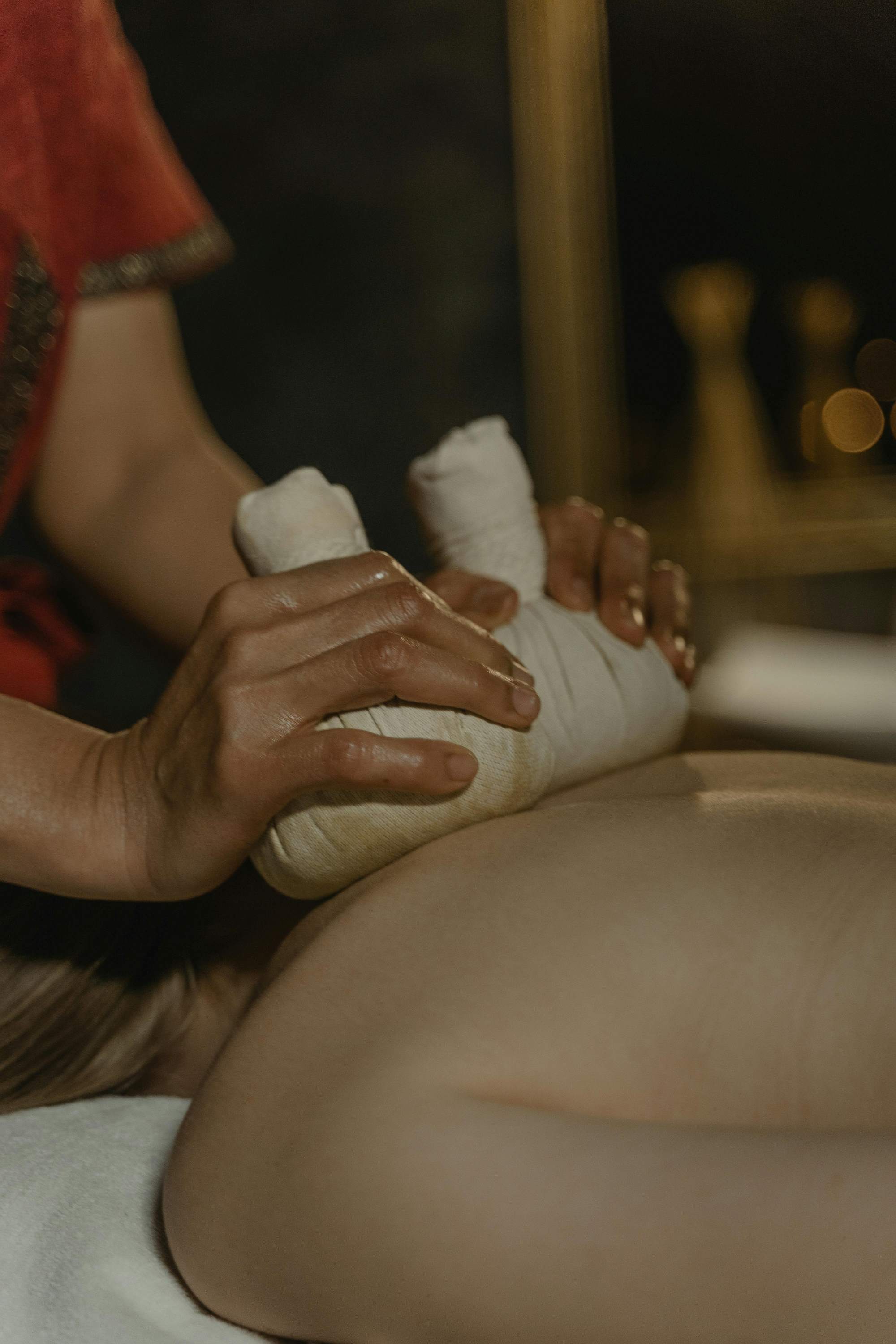
“Pinda Sweda” is a traditional Ayurvedic treatment that involves the application of warm medicated poultices to the body. The term “Pinda” refers to a bolus or bundle, and “Sweda” means sweat or sudation. Pinda Sweda, or Ayurvedic poultice therapy, is believed to offer several potential advantages: 1.Pain Management: Pinda Sweda is often used to alleviate various types of pain, including chronic pain conditions, muscular pain, and back pain. 2.Improved Flexibility: The combination of heat and massage in Pinda Sweda can contribute to increased flexibility in joints and muscles. 3.Skin Health: The herbal ingredients in the poultices are thought to have skin-nourishing properties, promoting skin health and radiance. 4.Balancing Doshas: In Ayurveda, it is believed that Pinda Sweda helps balance the doshas (Vata, Pitta, and Kapha), contributing to overall health and harmony. 5.Postnatal Care: Pinda Sweda is sometimes recommended for postnatal care to promote recovery, strengthen the body, and improve muscle tone. 6.Rheumatic Disorders: Individuals with rheumatic disorders may find relief from symptoms such as pain and inflammation through Pinda Sweda. 7. Neurological Conditions: Some practitioners use Pinda Sweda to address certain neurological conditions by applying the poultices to specific points on the body. 8. Stress Reduction: The relaxing nature of the treatment can help reduce stress and induce a sense of calmness. 9. Insomnia: Pinda Sweda may be recommended for individuals experiencing sleep disturbances, as the therapy is believed to have a calming effect on the nervous system.

INR 1000

Shirodhara is a therapeutic Ayurvedic treatment that involves the continuous pouring of a warm liquid, typically oil, herbal-infused oil, medicated milk, or buttermilk, onto the forehead or "third eye" region. The term "Shirodhara" is derived from the Sanskrit words "shiro," meaning head, and "dhara," meaning flow. Shirodhara offers a range of benefits, and its effects are believed to extend to both the physical and mental well-being of an individual. Here are more detailed benefits of Shirodhara: 1. Stress Reduction and Relaxation: Shirodhara induces a deep state of relaxation, promoting the release of stress and tension. The continuous flow of warm liquid on the forehead calms the nervous system and encourages a sense of tranquility. 2.Balancing the Nervous System: The treatment is thought to balance the sympathetic and parasympathetic nervous systems, promoting overall nervous system health. Useful in anxiety and insomnia. 3. Improved Sleep Quality: The calming effects on the mind can contribute to a more restful and rejuvenating sleep. 4. Headache and Migraine Relief: Shirodhara may provide relief for individuals suffering from chronic headaches or migraines. The gentle flow of liquid on the forehead and scalp helps to release tension and ease headache symptoms. 5.Hair and Scalp Health: The warm oils used in Shirodhara nourish the scalp, promoting healthy hair growth and preventing dryness. It may address issues like dandruff and promote overall scalp health. 6. Reduction of Anxiety and Depression Shirodhara's calming effects on the mind may help reduce symptoms of anxiety and depression. The treatment is considered a valuable component of holistic approaches to mental health. 7. Support for Hormonal Balance: Shirodhara is believed to have a balancing effect on the endocrine system, which can contribute to hormonal balance. It may be particularly beneficial for women experiencing hormonal fluctuations.

INR 1000

"Swedana" in Ayurveda refers to steam therapy or sweating therapy. Steam therapy is commonly used in Ayurveda to promote sweating and facilitate the elimination of toxins from the body. It is considered a valuable therapeutic tool for various health conditions. Here are some common types of Swedana treatments in Ayurveda: 1. Bashpa Swedana (Steam Bath): This involves sitting in a chamber filled with herbal steam. The heat helps to open up the pores, promotes sweating, and aids in the elimination of toxins. 2. Nadi Swedana (Local Steam): In this method, steam is directed to a specific area of the body, usually over joints or muscles, to alleviate pain and stiffness. 3. Pinda Swedana (Herbal Bolus Bag Massage): This involves massaging the body with boluses filled with a combination of herbs, rice, or sand. The boluses are heated and applied to the body, helping to relieve muscle tension and improve circulation. 4. Patra Pinda Swedana (Leaf Bundle Massage): Similar to Pinda Swedana, but the boluses are filled with medicinal leaves and herbs. The choice of Swedana treatment depends on the individual's constitution, health condition, and the specific imbalance that needs to be addressed.

FILTER USING TAGS

Panchakarma  | BODY PAIN  | OIL MASSAGE  | STRESS  | PAIN MANAGEMENT  | ABHYANG  | BODY DETOX  | SKIN GLOW  | WRINKLES  | BLOOD CIRCULATION  | IMPROVES FLEXIBILITY  | STRENGHTHENS BODY  | VARICOSE VEIN  | WOUND HEALING  | SLIN DISEASES  | PILES  | ANORECTAL  | Allergy  | ALLERGIC RHINITIS  | ALLERGIC SKIN DISEASE  | PANCHAKARMA  | EAR PAIN  | LOSS OF HEARING  | EAR INFECTION  | TINNITUS  | DEAFNESS  | EARACHE  | EAR WAX  | VERTIGO  | Suvarna Prashan  | SUVARNA PRASHAN  | SUVARNA BHASMA  | IMMUNITY BOOSTER  | IMUNNIZATION  | STEAM THERAPY  | BODY RELAXATION  | EYE PAIN  | EYE IRRITATION  | WATERING OF EYES  | EYE INFLAMATION  | FUNGAL EYE INFECTION  | FATTY LIVER  | HEPATITIS A  | HEPATITIS B  | HEPATITIS C  | LIVER CIRRHOSIS  | ALCOHOL LIVER DISEASE  | JAUNDICE  | LIVER FIBROSIS  | ARTHRITIS  | JOINT PAIN  | RHUMATOID ARTHRITIS  | KNEE PAIN  | BACK PAIN  | HIP JOINT PAIN  | SHOULDER PAIN  | FROZEN SHOULDER  | HEADACHE  | MIGRANE  | STRESS BUSTER  | REALAXATION  | INSOMNIA  | MENTAL DISORDERS  | ANXIETY  | DEPRESSION  | NEURAL DISORDERS  | EYE DISEASES  | Hair Fall  | GREYING OF HAIRS  | DANDRUFF  | SPLIT ENDS  | DRY HAIR  | DRY SCALP  | Skin Disorder  | ACNE  | PIMPLES  | HERPES  | DERMATITIS  | MELANOMA  | SUNBURN  | LEUCODERMA  | Paediatric  | allergy  | common cold  | fever  | jaundice  | ear infection  | conjuctivitis  | mumps  | LUNG DISORDERS  | PNEMONIA  | LUNG CANCER  | ASTHAMA  | EMPHYSEMA  | TB  | TUBERCULOSIS  | BRONCHITIS  | CYSTIC FIBROSIS  | ASBESTOSIS  | LUNG INFECTION  | URTI  | RESPIRATORY TRACT INFECTION  | KIDNEY STONES  | URINE DISORDERS  | RENAL INFECTION  | POLYCYSTIC KIDNET DISEASE  | NEPHRITIS  | BLADDER INFECTION  | ENLARGED PROSTATE  | DRIBLING MICTURATION  | CYSTITIS  | Joint Pain  | Heart Diseases  | VARICOSE VEINS

Have any question or need any consultation?

Book Appointment Send Message

Online appointment booking is not available right now.

Purpose
False
Doctor

Morning

    Afternoon

      Evening

        Night

          Next
          Your enquiry
          Your contact info
          BOOKING DETAILS
          Visitor Name
          Mobile Number
          Email id

          Notes
          I agree to the appointment terms & conditions

          Appointment Confirmed

          Your appointment ID is

          Doctor Name:
          Date & Time:
          Contact:+918048093039
          Address:Above City Samosa, Chatrapati Shivaji Chowk, Dange Chowk Road, Hinjewadi Phase 1 Rd, Hinjawadi, Pune, Maharashtra
          Appointment fee:
          Payment mode:
          Join video call at:

          Thanks for choosing us.Your appointment details has been shared on your mobile number  as well. Please arrive atleast 10 minutes ahead of the scheduled time.

          Success