+918048093039

ASHTANGAYURVEDANDPANCHKARMACLINIC9 Treatments
Preview

This is your website preview.

Currently it only shows your basic business info. Start adding relevant business details such as description, images and products or services to gain your customers attention by using Boost 360 android app / iOS App / web portal.

919209442293

Treatments

We focus on continuous quality improvement to provide patients a safe environment to recieve highest quality care

Treatments

EAR DISEASES Ayurveda, the traditional system of medicine that originated in India, offers a holistic approach to health, including the treatment of ear diseases. In Ayurveda, ear-related issues are often linked to an imbalance in the doshas (Vata, Pitta, and Kapha), and treatment aims to restore this balance. TYPES OF TREATMENT : 1. KARNA POORAN 2. NASYA (OIL PULLING) 3. LEECH THERAPY for pain management 4. SWEDAN (steam therapy)

In Ayurveda, the treatment of eye diseases is approached holistically, considering the individual's constitution (Prakriti), imbalances (Vikriti), and overall health. The goal is to balance the doshas (Vata, Pitta, and Kapha) and address the root cause of the eye condition. Here are some mainstream Ayurvedic treatments for eye diseases: 1. Netra Tarpana (Eye Rejuvenation): Netra Tarpana involves creating a well around the eyes using dough or urad dal paste and filling it with medicated ghee. The eyes are then bathed in the ghee for a specific duration. This therapy is believed to nourish and rejuvenate the eyes, improving vision and relieving dryness. 2. Anjana (Collyrium) Application: Medicated eyewashes or collyrium (known as Anjana) made from herbs like Triphala, Daruharidra (Berberis aristata), and Yashtimadhu (Licorice) are used to cleanse and soothe the eyes. Anjana is believed to improve vision and alleviate eye strain. 3. Aschyotana (Eye Drops): Ayurvedic eye drops containing medicines like Triphala, rose water, and other beneficial herbs are used to alleviate various eye conditions. These eye drops are thought to reduce inflammation, soothe irritation, and promote overall eye health. 4. Dietary Modifications: Ayurveda emphasizes the importance of a balanced diet to maintain overall health, including eye health. 5. Lifestyle and Yoga Practices: Ayurveda encourages lifestyle modifications, including adequate sleep, proper hygiene, and practices like eye exercises and yoga to improve overall well-being and eye health.

INR 1000

In Ayurveda, "Snehan" refers to oleation or the application of oil. It is one of the preparatory procedures in the Panchakarma therapy, which is a comprehensive system of Ayurvedic detoxification and rejuvenation. The term "Snehan" is derived from the Sanskrit word "Sneha," which means oil or love. The Snehan treatment involves the external application of medicated oils or ghee (clarified butter) on the body. This can be done in various ways, including gentle massages, oil baths, or applying specific oils to certain parts of the body. The purpose of Snehan is to lubricate the body, soften the tissues, and prepare the body for the elimination of toxins. Snehan is often followed by another Panchakarma procedure called Swedana, which involves inducing sweating. Together, Snehan and Swedana help in the elimination of impurities and balancing the doshas (Vata, Pitta, and Kapha), promoting overall health and well-being. There are different types of Snehan, each serving specific purposes and employing various techniques. Here are some common types of Snehan: TWO MAJOR TYPES : 1. FULL BODY MASSAGE 2. LOCAL MASSAGE Other types are as follows... 1. Abhyanga (Oil Massage) 2. Kati Basti (Oil Pooling on the Lower Back) 3. Griva Basti (Oil Pooling on the Neck) 4. Janu Basti (Oil Pooling on the Knee) 5. Netra Tarpan(Oil Pooling on the eyes) These are just a few examples, and the specific type of Snehan recommended will depend on an individual's constitution (prakriti), current health condition (vikriti), and the goals of the treatment.

INR 100

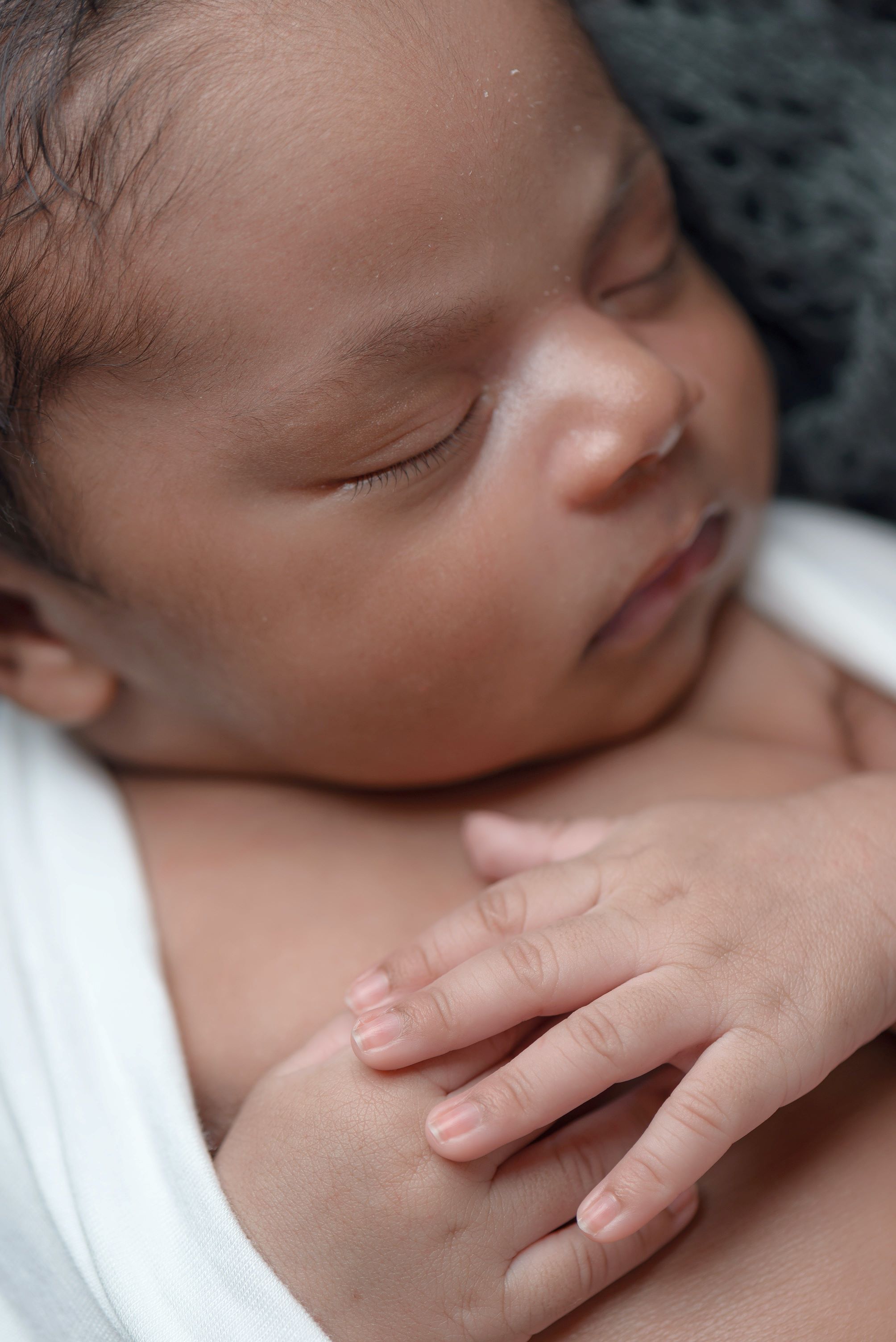
Suvarna Prashan is described in Ayurvedic texts as a practice that can help enhance the immune system in children. Proponents of Suvarna Prashan believe that it provides immunization by boosting the overall immunity of the child, making them more resistant to infections and diseases. The combination of gold (suvarna), honey, ghee (clarified butter), and specific herbs is thought to have immune-boosting properties. This practice is typically done on specific days, such as Pushya Nakshatra, which is considered auspicious in the Hindu calendar. Suvarna Prashan is believed to offer various health benefits for children. HOWEVER DAILY INTAKE OF SUVARNA PRASHAN IS ADVISED FOR GREATER BENEFITS. As it comes under RASAYAN category of medicines.

Ayurveda recognizes the importance of individualized care, considering a child's constitution (Prakriti), doshic balance, and environmental factors. This age is predominated by Kaph Dosha, therefore childerns suffer from frequent cold, runny nose, fever and similar kaph dominant diseases, Here are some factors that Ayurveda associates with imbalances contributing to pediatric health issues: 1. Vata Imbalance: Causes: Irregular daily routine, inadequate sleep, excessive exposure to cold and windy environments, and irregular eating habits. Effects: Vata imbalance can manifest as digestive issues, constipation, colic, and disturbed sleep patterns in children. 2. Pitta Imbalance: Causes: Excessive consumption of spicy, sour, and salty foods, exposure to excessive heat, and emotional stress. Effects: Pitta imbalance may contribute to issues like acidity, skin rashes, inflammation, and irritability in pediatric cases. 3. Kapha Imbalance: Causes: Excessive consumption of heavy, cold, and sweet foods, lack of physical activity, and a sedentary lifestyle. Effects: Kapha imbalance can lead to issues like excess mucus production, respiratory congestion, and lethargy. 4. Impaired Digestion (Mandagni): Causes: Eating incompatible foods, overeating, irregular eating habits, and poor quality of food. Effects: Impaired digestion can result in the formation of ama (toxins), contributing to various health issues in children. 5. Toxic Buildup (Ama): Causes: Poor digestion, unhealthy dietary choices, and exposure to environmental toxins. Effects: Ama accumulation can lead to a variety of health problems, including recurrent infections, low energy, and a compromised immune system. 6. Infections and Immunity: Causes: Weakened immunity due to poor nutrition, exposure to pathogens, and imbalances in the doshas. Effects: Children may be more susceptible to recurrent infections and illnesses.

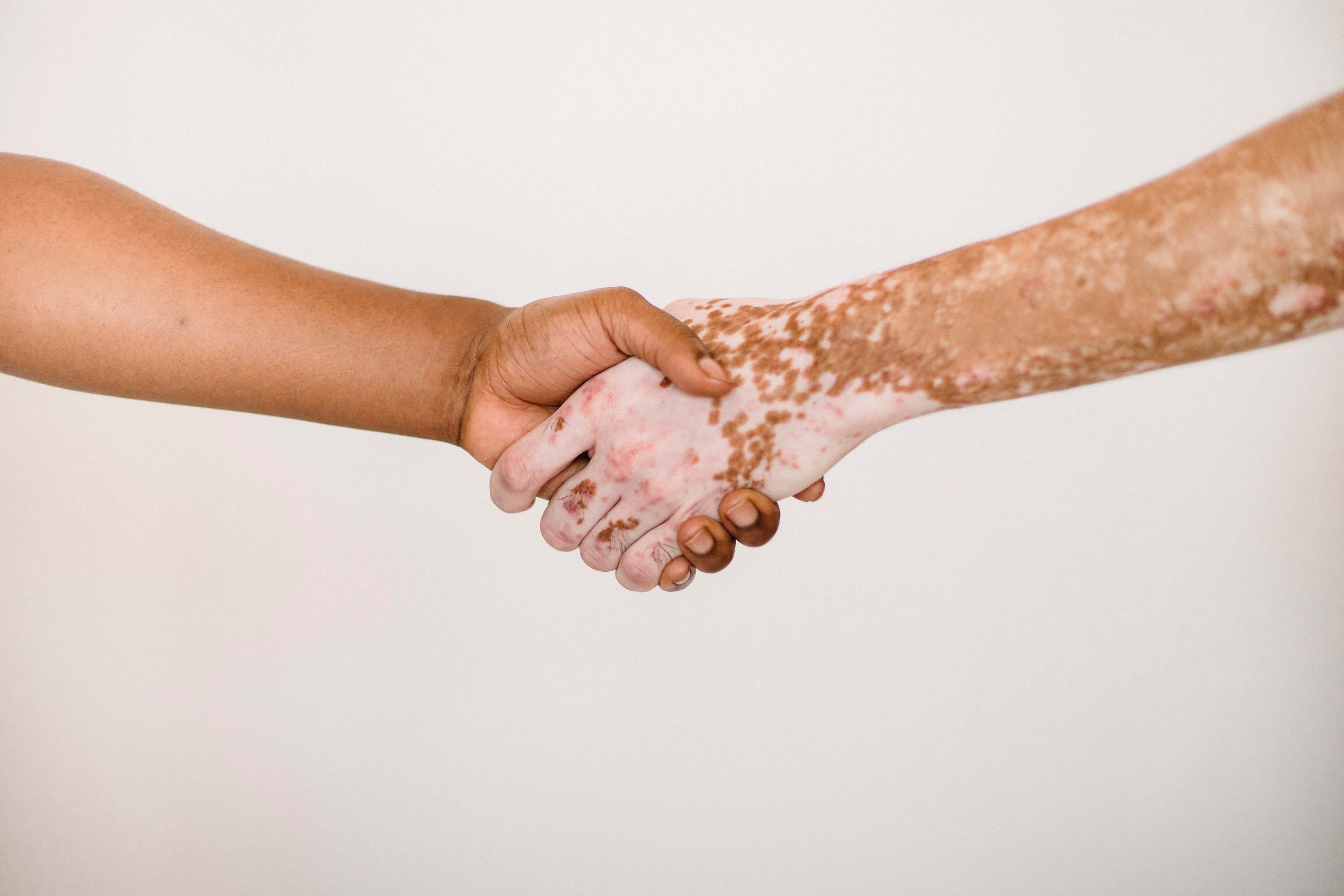
Treatment of skin disorders is done by addressing the underlying dosha imbalances, promoting healthy digestion, and using ayurvedic medicines to support skin health. Treatment plans are often individualized based on a person's constitution (Prakriti), the specific type of skin disorder, and other factors. Here are some general principles and practices used in Ayurveda for treating skin disorders: 1.Balancing Doshas: Identification of Imbalances: Ayurvedic practitioners assess the doshic imbalances (Vata, Pitta, Kapha) that may be contributing to skin disorders. For example, Pitta imbalance is often associated with inflammatory skin conditions. 2. Tailored Treatment: Treatment plans are customized to balance the doshas. For example, cooling measures may be recommended for Pitta-related skin disorders. 3. Dietary Recommendations: Pitta-Pacifying Diet: For conditions with Pitta imbalance, a diet that is cooling and less spicy is often suggested. This may include foods like cucumber, mint, coconut, and leafy greens. Avoidance of Trigger Foods: Identification and avoidance of foods that may trigger or worsen skin conditions. This may include spicy, fried, and processed foods. 4. Lifestyle Modifications: Stress Management: Stress is considered a contributing factor to many skin disorders in Ayurveda. Stress-reducing practices, such as meditation and yoga, may be recommended. Proper Sleep: Adequate and regular sleep is crucial for skin health. Ayurveda emphasizes the importance of maintaining a consistent sleep schedule. 5. Panchakarma Treatments: In some cases, Ayurvedic detoxification therapies such as Virechana (therapeutic purgation) or Raktamokshana (bloodletting) may be recommended to remove accumulated toxins from the body. 6. External Applications (Lepa): Topical applications of herbal pastes or powders may be recommended to soothe and heal the skin. I

FILTER USING TAGS

Panchakarma  | BODY PAIN  | OIL MASSAGE  | STRESS  | PAIN MANAGEMENT  | ABHYANG  | BODY DETOX  | SKIN GLOW  | WRINKLES  | BLOOD CIRCULATION  | IMPROVES FLEXIBILITY  | STRENGHTHENS BODY  | VARICOSE VEIN  | WOUND HEALING  | SLIN DISEASES  | PILES  | ANORECTAL  | Allergy  | ALLERGIC RHINITIS  | ALLERGIC SKIN DISEASE  | PANCHAKARMA  | EAR PAIN  | LOSS OF HEARING  | EAR INFECTION  | TINNITUS  | DEAFNESS  | EARACHE  | EAR WAX  | VERTIGO  | Suvarna Prashan  | SUVARNA PRASHAN  | SUVARNA BHASMA  | IMMUNITY BOOSTER  | IMUNNIZATION  | STEAM THERAPY  | BODY RELAXATION  | EYE PAIN  | EYE IRRITATION  | WATERING OF EYES  | EYE INFLAMATION  | FUNGAL EYE INFECTION  | FATTY LIVER  | HEPATITIS A  | HEPATITIS B  | HEPATITIS C  | LIVER CIRRHOSIS  | ALCOHOL LIVER DISEASE  | JAUNDICE  | LIVER FIBROSIS  | ARTHRITIS  | JOINT PAIN  | RHUMATOID ARTHRITIS  | KNEE PAIN  | BACK PAIN  | HIP JOINT PAIN  | SHOULDER PAIN  | FROZEN SHOULDER  | HEADACHE  | MIGRANE  | STRESS BUSTER  | REALAXATION  | INSOMNIA  | MENTAL DISORDERS  | ANXIETY  | DEPRESSION  | NEURAL DISORDERS  | EYE DISEASES  | Hair Fall  | GREYING OF HAIRS  | DANDRUFF  | SPLIT ENDS  | DRY HAIR  | DRY SCALP  | Skin Disorder  | ACNE  | PIMPLES  | HERPES  | DERMATITIS  | MELANOMA  | SUNBURN  | LEUCODERMA  | Paediatric  | allergy  | common cold  | fever  | jaundice  | ear infection  | conjuctivitis  | mumps  | LUNG DISORDERS  | PNEMONIA  | LUNG CANCER  | ASTHAMA  | EMPHYSEMA  | TB  | TUBERCULOSIS  | BRONCHITIS  | CYSTIC FIBROSIS  | ASBESTOSIS  | LUNG INFECTION  | URTI  | RESPIRATORY TRACT INFECTION  | KIDNEY STONES  | URINE DISORDERS  | RENAL INFECTION  | POLYCYSTIC KIDNET DISEASE  | NEPHRITIS  | BLADDER INFECTION  | ENLARGED PROSTATE  | DRIBLING MICTURATION  | CYSTITIS  | Joint Pain  | Heart Diseases  | VARICOSE VEINS

Have any question or need any consultation?

Book Appointment Send Message

Online appointment booking is not available right now.

Purpose
False
Doctor

Morning

    Afternoon

      Evening

        Night

          Next
          Your enquiry
          Your contact info
          BOOKING DETAILS
          Visitor Name
          Mobile Number
          Email id

          Notes
          I agree to the appointment terms & conditions

          Appointment Confirmed

          Your appointment ID is

          Doctor Name:
          Date & Time:
          Contact:+918048093039
          Address:Above City Samosa, Chatrapati Shivaji Chowk, Dange Chowk Road, Hinjewadi Phase 1 Rd, Hinjawadi, Pune, Maharashtra
          Appointment fee:
          Payment mode:
          Join video call at:

          Thanks for choosing us.Your appointment details has been shared on your mobile number  as well. Please arrive atleast 10 minutes ahead of the scheduled time.

          Success